RP - Option 1
What is looksmaxxing?
Over the past few years, a new term has been circulating across TikTok, Instagram, and pretty much every corner of the internet: “looksmaxxing.” At its core, looksmaxxing is the idea of intentionally improving your appearance through whatever means you have, skincare routines, hairstyles, gym routines, grooming hacks, fashion changes, and in some cases even cosmetic procedures. What makes the trend stand out isn’t just the focus on self-improvement, but the intensity with which it’s discussed online. Entire communities have formed around breaking down facial structure, debating jawlines and cheekbones, rating features, and offering step-by-step “upgrade plans.” It’s a strange mix of genuine advice, harsh self-criticism, and a kind of hyper self-awareness that only social media could amplify. Scroll long enough and you’ll see dramatic before and after videos, lists of “must-do” habits, and creators dissecting the smallest details of attractiveness as if they’re running a scientific experiment. Whether people follow the trend out of motivation, insecurity, or simple curiosity, the conversation around looksmaxxing has grown so fast that it feels unavoidable. It’s shaping how young people think about their appearance, influencing the way trends spread, and even shifting the language people use to talk about confidence and self-worth. Some see it as empowering; others think it’s a sign of how obsessed we’ve become with aesthetics. But regardless of where you stand, one thing is clear, looksmaxxing isn’t just another passing internet fad, it’s a reflection of how deeply social media has woven itself into the way we view ourselves and the world around us.
Ethics
Looksmaxxing is not just a personal pursuit of self improvement; it also raises significant ethical questions and highlights societal pressures that often go unexamined. One of the most obvious concerns is the moral implication of ranking people by appearance. Many online communities and social media platforms encourage users to evaluate features, compare faces, and assign value based on attractiveness. While some of this is framed as harmless fun or constructive critique, it can easily slip into judgment and exclusion. When people are taught, even indirectly, that certain facial structures, body types, or skin tones are inherently superior, it reinforces harmful biases and creates an environment where self worth is tied almost entirely to looks. This focus on appearance does not affect everyone equally and contributes to social inequality. People who are naturally closer to culturally accepted beauty standards often receive more opportunities, attention, and social validation, while those who are deemed less attractive can experience marginalization and discrimination. The pressure to conform to these standards also encourages extreme measures, such as cosmetic procedures, which introduce another set of ethical challenges. Issues of age and consent are particularly concerning, as young people are increasingly exposed to online content promoting invasive treatments, fillers, and surgeries. Many do not have the maturity or understanding to fully grasp the long term consequences, and social pressure can make it feel like these procedures are required to fit in or be accepted. There is also the broader societal question of responsibility: to what extent should platforms, influencers, and marketers be held accountable for normalizing extreme appearance modification or making beauty a commercialized, competitive pursuit? These ethical dilemmas underscore that looksmaxxing is not simply about personal choice or self care; it intersects with deep social issues, including inequality, exploitation, and the shaping of cultural norms. By examining these dimensions, it becomes clear that the trend is as much a reflection of societal values and pressures as it is a manifestation of individual desire for self improvement. The ethical conversation surrounding looksmaxxing challenges us to consider how appearance, influence, and social power are intertwined in ways that can have lasting consequences for both individuals and communities.
Social Media Algorithms
One of the biggest reasons looksmaxxing has exploded across the internet is the way social media algorithms push appearance focused content to the front of every feed. On TikTok especially, the “For You Page” works almost like a mirror that exaggerates whatever you pause on for even a second. If someone watches one glow-up video, one skincare routine, or one clip of a creator talking about jawlines or “facial aesthetics,” the algorithm immediately decides that this must be your new obsession, and suddenly your entire feed becomes a nonstop loop of transformation videos and beauty analyses. The platform knows that polished visuals, dramatic before-and-after clips, and confident on camera personalities are incredibly effective at grabbing attention. People naturally linger on faces, especially ones that stand out or represent something they want to achieve, so the algorithm picks up on that engagement and pushes similar content even harder. As a result, appearance-related videos perform unusually well because they hit the sweet spot: they’re visually engaging, emotionally triggering, and quick to understand. But the side effect of all this is that beauty standards on social media get amplified far beyond what most people see in everyday life. The more users interact with extreme versions of “improvement”, perfect skin, sculpted features, strict routines, the more those posts are promoted. It creates a feedback loop where the most dramatic or unrealistic examples are rewarded with the most visibility. Over time, this makes the entire landscape feel more intense, as if everyone is constantly upgrading themselves and anyone who isn’t doing the same is falling behind. In that sense, the algorithm doesn’t just reflect beauty trends, it actively shapes them.
Teen boys and the rise of ‘looksmaxxing’

Memes, Trends, and Challenges
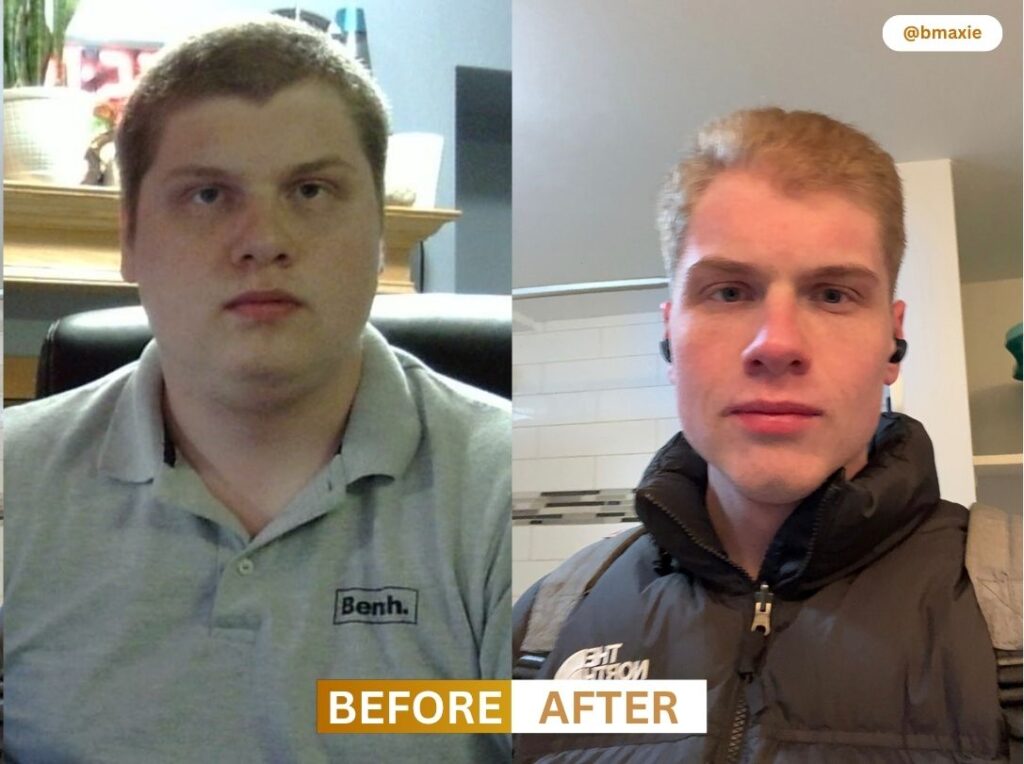
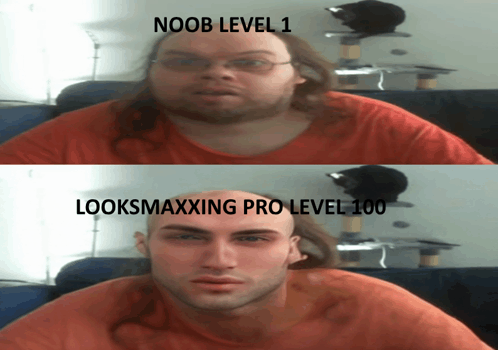
One of the most influential ways that looksmaxxing has gained traction on social media is through memes, challenges, and other forms of viral content that make the pursuit of physical improvement feel fun, relatable, or even humorous. Social media platforms thrive on shareable content, and glow-up or transformation challenges are perfectly designed to encourage engagement. People film themselves before and after attempts at skincare routines, workouts, or style makeovers, often set to trending music or clever editing, and the results are shared widely. These challenges create a sense of community participation because viewers are invited to replicate them, post their own transformations, and measure themselves against peers. Memes also play a central role in normalizing appearance comparison by taking features, habits, or routines and exaggerating them for comedic effect. A meme about someone obsessively measuring their jawline or perfecting their hair might seem lighthearted, but it subtly reinforces the idea that attention to physical appearance is not only expected but socially rewarding. The humor embedded in these trends makes extreme grooming or detailed looksmaxxing practices more approachable, allowing individuals to explore ideas that might have once seemed intimidating or unrealistic. Viral content amplifies this effect by making even minor transformations appear exciting and noteworthy, creating a feedback loop where users chase increasingly dramatic results in hopes of social validation. In some ways, these trends democratize looksmaxxing by giving anyone with a phone access to the techniques and strategies used by influencers or experts, but they also make comparison unavoidable. The constant visibility of transformations, memes, and challenge posts pressures viewers to consider their own appearance in ways that were previously private, and the gamification of self improvement encourages obsessive attention to minor flaws. Ultimately, memes and viral trends function as a double-edged sword: they spread knowledge, foster community, and make self improvement culturally visible, while simultaneously normalizing extreme scrutiny and constant comparison. This blend of humor, virality, and social reinforcement is a key reason looksmaxxing has become such a pervasive phenomenon on social media, shaping how people approach grooming, fitness, and self presentation in daily life.
Positive Aspects
Even though looksmaxxing is often criticized for being shallow or appearance obsessed, there are actually some positive sides to the trend that don’t get talked about enough. For a lot of people, stumbling into looksmaxxing content is the first time they’ve really been introduced to basic self-care, things like having a consistent skincare routine, drinking enough water, keeping up with hygiene, or going to the gym for something other than a New Year’s resolution. In that sense, the trend motivates people to take better care of themselves, not because they’re trying to become “perfect,” but because they start to enjoy the feeling of being healthier and more put together. There are also plenty of online communities built around this idea of self-improvement rather than obsession. In those spaces, people share their progress, give each other advice, and try to lift each other up instead of tearing anyone down. The tone is less “fix every flaw” and more “be the best version of yourself,” which is honestly refreshing compared to a lot of toxic online conversations. For some, looksmaxxing becomes a gateway into broader personal development, once someone sees progress in their appearance, they often feel more confident, and that confidence spills over into other parts of their life. They start setting goals, caring about their mental and physical health, and seeing themselves as someone worth investing in. So, while it’s easy to paint the trend as pure vanity, there’s another side where people are simply learning to treat themselves better, build discipline, and take pride in their growth.
Looksmaxxing: The Meaning & Origin of the New TikTok Trend
Discussion, tutorials, tips on looksmaxing.

Negative or Harmful Impact
While looksmaxxing can have some positive sides, it also comes with a range of harmful impacts that people are starting to notice more and more. One of the biggest issues is how quickly it creates unrealistic beauty standards, especially on platforms where every video is heavily filtered, perfectly lit, or edited to smooth out anything that looks remotely human. When creators present these polished versions of themselves as “normal,” viewers especially younger ones, start to believe that flawless skin, razor-sharp jawlines, and perfectly symmetrical features are just the baseline for attractiveness. This can fuel a cycle of obsessive self-analysis where people fixate on tiny “flaws” they never even noticed before. It’s not unusual to see teenagers online breaking down their facial structure like they’re doing a science project, stressing over things like canthal tilt, brow projection, or jaw alignment, concepts most people never even thought about before social media made them big. That kind of hyper-focus on appearance can slowly chip away at self-esteem and make insecurities feel ten times heavier. On top of that, the trend has contributed to the rise of cosmetic procedures among young people, many of whom are turning to fillers, Botox, and even surgical options way earlier in life than previous generations. Some feel pressured to “fix” themselves before they’re even done growing. The combination of constant comparison, unrealistic standards, and the quick accessibility of cosmetic treatments creates a risky environment were trying to look better can quietly turn into an unhealthy obsession. In that way, the darker side of looksmaxxing isn’t just about beauty, it’s about how easily social media can warp someone’s sense of reality and worth.
'Your face looks grotesque': How looksmaxxing can harm young men and boys | CBC News
Influencer Culture
A huge part of why looksmaxxing has grown so quickly is the role influencers play in shaping the conversation and profiting from it. Beauty creators, fitness influencers, and lifestyle TikTokers have figured out that anything tied to self-improvement or appearance tends to perform extremely well, so many of them lean into the trend because it keeps engagement high and the money flowing. The more they talk about certain products or routines, the more trust they build with their audience, which makes sponsorship deals even more lucrative. It’s not unusual to see a creator post a “life-changing” skincare routine one day and a sponsored gym program the next, all packaged as if they’re just trying to help their followers glow up. The problem is that it’s becoming harder to tell when someone is genuinely sharing something that worked for them and when they’re essentially reading off a brand’s script. A lot of creators don’t clearly label their ads, and even when they do, the line between authentic advice and subtle marketing keeps getting blurrier. One minute someone is recommending a moisturizer because “everyone needs this,” and the next they’re pushing a bundle of “must-have” products that conveniently happen to be linked in their bio. For younger audiences who might not recognize the business behind influencing, this can create the illusion that buying your way into a new look is the only path to improvement. Influencers know that aspirational content sells, and they’re experts at making their results seem effortless, even when a whole team, filter, or sponsorship is behind it. As a result, the looksmaxxing trend isn’t just about self-improvement anymore; it’s become a commercial engine powered by people who benefit directly from keeping their followers invested, insecure, and constantly consuming.

Clavicular

Clavicular, whose real name is Braden Peters, is a 20-year-old influencer known with his involvement in the looksmaxxing moment. When it comes to looksmaxxing, the biggest creator is a Twitch streamer named Clavicular. Clavicular is one of those modern internet personalities who straddle the line between self-improvement guru and controversial, and that tension is part of why he has become so talked about. On platforms like Kick and more broadly within the “looksmaxxing” subculture, Clavicular built a following by offering what many saw as brutally honest commentary on appearance, aesthetic transformation, and confidence building. For some in his audience, his content felt empowering, a kind of no holds barred wakeup call about physical presentation and social value. But over time his approach morphed into something much more contentious, what started as grooming advice or lifestyle commentary crossed into ambiguous territory when he began endorsing extreme self enhancement methods, sometimes with medically questionable or ethically dubious undertones. What makes him such a polarizing figure is not just that he talks about appearance, but that he packages it as a form of identity and lifestyle overhaul, often tied up with the promise of acceptance, validation, or superiority. That dynamic throws into relief how influencer status today does not just reflect popularity, it shapes what cultural trends around beauty, self-worth, and success look like for many young people.
Rise to Fame
Clavicular’s rise to fame is closely tied to the looksmaxxing trend, as he built his reputation by speaking directly to audiences obsessed with self improvement and appearance. Early in his online career, he focused on providing blunt, unfiltered commentary on aesthetic transformation, combining practical advice with a persona that many found both entertaining and authoritative. His videos often dissected facial features, grooming habits, and fitness routines in a way that resonated with people who felt frustrated by their own appearance or curious about ways to enhance it. By positioning himself as someone who understood the ins and outs of looksmaxxing culture, Clavicular was able to attract a dedicated following that saw him as both a guide and a source of motivation. Social media platforms amplified his reach: transformation videos, detailed breakdowns of personal routines, and before-and-after comparisons performed exceptionally well in algorithms, increasing visibility and engagement. As his content spread, his persona became emblematic of the trend itself, blending elements of confidence, self critique, and aspirational presentation. Looksmaxxing not only provided the subject matter for his videos but also a lens through which his audience connected with him, sharing their own struggles and successes in response to his content. Over time, Clavicular’s approach helped him transition from a niche figure to a more widely recognized influencer, demonstrating how the combination of a trending aesthetic culture and a strong online persona can elevate someone into internet notoriety. Even as his methods and advice sometimes sparked controversy, his rise highlights the power of looksmaxxing as both a cultural phenomenon and a platform for personal branding in the digital age.
The Science
When people talk about looksmaxxing or beauty culture in general, they often bring up the so called science of attractiveness, which is a mix of real biology, everyday grooming habits, and a lot of exaggerated theories that circulate online. At the basic level, humans do tend to notice certain patterns, like facial symmetry, clear skin, and balanced proportions, because our brains are naturally drawn to signs of health and stability. Even simple things like good lighting, a clean haircut, or the angle someone uses in a photo can completely change how attractive they appear. This is not because the person has changed, but because the presentation taps into the way the mind filters visual information. The strange part is how social media has turned these simple truths into something much bigger and often much more dramatic. People have started using pseudo science to create rankings, systems, and incredibly detailed breakdowns of features, treating beauty like a rigid formula instead of a mix of genetics, culture, and personal taste. You can find entire communities arguing over jawline measurements or eye shape charts as if attractiveness can be calculated like a math problem. But beneath all the noise, the interest comes from something very human. Throughout history, appearance has played a role in survival, social connection, and first impressions, so it makes sense that people still care about it today. What changes is how intensely modern platforms magnify that instinct, turning normal curiosity about beauty into a cycle of comparison, pressure, and endless analysis. The science matters, but the way we interpret it often says even more about what people fear, desire, and value.

WARNING:
Communities/Sub communities
The world of looksmaxxing is not monolithic, and one of the most fascinating aspects of the trend is the variety of online subcultures and communities that have developed around it. Among the most well-known are the BlackPill and RedPill communities, which approach appearance from a highly analytical and often extreme perspective. BlackPill members tend to view physical attractiveness as the single most important determinant of social and romantic success, sometimes presenting it as a rigid hierarchy that few can escape. The focus is often on genetic factors, with users dissecting facial structure, bone density, and other traits, and framing improvement as a nearly impossible challenge for those considered less genetically fortunate. RedPill communities, while also focused on appearance, combine discussions of physical traits with social dynamics, masculinity, and dating strategy, emphasizing self discipline and social skills alongside looks. Both communities can become echo chambers where pessimism, competition, and obsession with flaws are normalized, showing a more intense side of the looksmaxxing culture. In contrast, fitness-focused communities, often referred to as gymmaxxing groups, center on improving one’s physique through exercise, nutrition, and overall health. These communities are less about despair and more about tangible progress, sharing workout routines, diet plans, and transformation stories to motivate members. Participants often celebrate incremental change, creating a supportive environment that encourages consistency rather than perfection. Grooming and skincare-focused groups occupy yet another space, focusing on daily routines, product recommendations, and self care practices that enhance confidence and personal presentation. These communities are usually welcoming to people of all ages and genders, emphasizing practical advice over rigid aesthetic ideals. Across all these subcultures, there is a common thread: they provide structure, identity, and a sense of belonging around the pursuit of better appearance. The communities vary in tone, goals, and philosophy, ranging from highly critical and competitive to supportive and educational. Together, they illustrate how looksmaxxing is not just about individual self improvement but also about participation in a broader social conversation, where shared knowledge, peer validation, and communal norms heavily shape how people perceive themselves and the standards they aim to meet. These online spaces make appearance a social project as much as a personal one, highlighting the complex interplay between individual goals and collective influence.
Red pill meaning, manosphere, misogyny and other terms explained
Looksmaxxing Forum - The #1 Looksmaxxing Community
"BlackPill" Community
The BlackPill community is one of the more controversial corners of the internet, and its connection to looksmaxxing is part of what makes it so widely discussed. At its core, the BlackPill worldview is built around the belief that physical appearance determines almost everything about a person’s social and romantic success, and many of its members talk as if genetics have already sealed their fate. Because of that mindset, looksmaxxing becomes both an obsession and a last resort within those spaces. People dissect their features with extreme negativity, trading advice that ranges from normal grooming tips to much more risky or unhealthy ideas. The tone in BlackPill forums is often defeatist, with users comparing themselves to idealized standards and convincing one another that they are permanently at a disadvantage. While some individuals still try to use looksmaxxing as a way to improve their confidence or daily habits, the larger community tends to frame it as a desperate attempt to fight against something they believe is unchangeable. What makes the BlackPill so troubling is not the desire for self improvement, but the way it encourages hopelessness and harsh self judgment. Instead of seeing looksmaxxing as a form of growth or personal care, many people caught up in the BlackPill mindset view it as a battle they are doomed to lose. It is a stark example of how online groups can take a simple concept like appearance enhancement and twist it into something much more extreme, shaping how people see themselves long after they log off.
Nihilistic Perspective
From a nihilistic perspective, life has no inherent meaning, purpose, or ultimate goal, and this worldview can drastically influence how people approach self-improvement, including looksmaxxing. For someone who believes that existence itself is meaningless, the appeal of looksmaxxing often comes not from a desire for long term fulfillment or societal approval, but from the immediate, tangible satisfaction of seeing a transformation reflected in the mirror or on social media. In a world where nothing ultimately matters, changing one’s appearance can feel like one of the few things under personal control, a small assertion of agency in an otherwise indifferent universe. This can make the practice of looksmaxxing intense and obsessive, because it is pursued as an end in itself rather than a step toward broader personal goals. At the same time, nihilism can amplify the darker side of the trend. If nothing has value in the long run, it can be easy to become hyper critical of every imperfection and to chase unattainable ideals simply to feel some sense of temporary accomplishment or validation. Social media platforms magnify this effect, constantly showing images of perfection and transformation, which can make the pursuit of attractiveness feel both urgent and futile. Yet there is also a paradoxical appeal: within a nihilistic framework, looksmaxxing becomes a personal project, a way to exert influence over one small aspect of life when everything else feels meaningless. It is a vivid example of how philosophical beliefs can shape even seemingly superficial behaviors, turning the quest for better looks into a reflection of deeper existential questions.
NIHILISM Definition & Meaning - Merriam-Webster
Extreme Methods
When people talk about looksmaxxing, most of the attention goes to the harmless stuff like skincare routines, grooming habits, or going to the gym. But there is also a much more extreme side to the trend that has grown in certain online spaces, where the conversation turns from self care into something far more intense and sometimes unsafe. In these corners of the internet, you will find individuals discussing drastic methods such as aggressive dieting, untested supplements, exaggerated jawline training routines, or even at home attempts at procedures that should only be handled by medical professionals. Some users obsessively analyze every angle of their face and treat their appearance like a constant project that must be upgraded at any cost. The pressure to achieve very specific and often unrealistic standards makes these extreme methods feel like the only path forward for people who are convinced they are falling behind everyone else. Social media plays a big role in this escalation. When videos of dramatic transformations go viral, it creates the illusion that everyone else is constantly improving while you are standing still. This can lead people to push past healthy boundaries, chasing quick results instead of long term wellbeing. Cosmetic procedures also get wrapped into this mentality, with some young people jumping into fillers, Botox, or surgical options before they have fully considered the risks or the motivations driving them. What makes this so concerning is how easily self-improvement can turn into self-punishment when the goal is perfection rather than confidence. The extreme side of looksmaxxing is not just about appearance; it is a reflection of how powerful insecurity, social pressure, and online comparison can become when they are left unchecked.

Looksmaxxing: Maximize Your Physical Appearance

One of the core features of the site is a forum (which they advertise as free to join) where members, thousands of registered users, according to their own banner, can share personal experiences, ask for advice, and discuss different looksmaxxing strategies, from basic grooming to more elaborate transformation plans. On paper, this seems to offer a kind of support network, people comparing notes, helping each other improve, and learning from others’ successes or mistakes. For someone feeling insecure about their appearance, it might feel validating or motivating to have a community.
At the same time, though, there are reasons to approach the site with caution. Independent reviews of Looksmaxxing.com note that while it “appears to be safe” in terms of website security (valid SSL certificate, long domain history, etc.), the identity of the site owner is hidden and the registrar used has been associated with low trust domains. The site itself carries disclaimers, among them that none of its content should be taken as medical advice, and that readers should consult qualified professionals before attempting any serious procedure, diet, or regimen.
Moreover, the broader "looksmaxxing" culture linked to the site, which has roots in fringe corners of the internet, has attracted criticism. What began as modest, common‑sense advice on cleanliness, grooming and fitness sometimes slips into a space of unrealistic expectations, intense self‑criticism, or even harmful practices when members chase “ideal” features. Observers have warned that, even in less extreme forms, the mindset promoted by looksmaxxing can encourage body dissatisfaction or reinforce social biases about attractiveness.
All told, Looksmaxxing.com offers a mix of potential benefits and significant drawbacks. For some people it might serve as a helpful resource or community for self-improvement, but for others it could exacerbate insecurities or encourage unhealthy comparisons.
The Future
The future of looksmaxxing is likely to be shaped by a combination of technology, social trends, and evolving cultural standards, making it an even more pervasive part of online and offline life. As artificial intelligence, virtual reality, and augmented reality continue to develop, people will have access to tools that allow them to experiment with their appearance in entirely new ways. AI filters and face-editing apps already let users see instant transformations, and in the coming years, these technologies may become so sophisticated that individuals can simulate changes to facial structure, skin tone, or body shape before even attempting them in real life. This could make the trend more accessible, but it may also heighten pressure to meet idealized standards, as comparison shifts from reality to digitally enhanced possibilities. Social media platforms are likely to continue promoting content that generates engagement, meaning that viral transformation videos, memes, and challenges will evolve alongside technological capabilities, making extreme grooming and appearance modification more visible than ever. At the same time, cultural attitudes toward self-care and personal branding may further integrate looksmaxxing into daily life, with appearance improvement being treated as a form of personal investment or even professional development. However, the future could also bring pushback, as mental health advocates, media critics, and educational campaigns highlight the risks of obsession, unrealistic standards, and cosmetic procedures among young audiences. In this sense, looksmaxxing may become a battleground between innovation and responsibility, with technology and social influence amplifying both the appeal and the potential harms. Ultimately, the trend is unlikely to disappear anytime soon, but it will continue to evolve, reflecting broader societal questions about beauty, identity, and the role of digital culture in shaping how people see themselves and others.
Conclusion
Looksmaxxing, as a cultural phenomenon, is more than just a trend focused on improving appearance; it is a complex intersection of psychology, technology, social media, and identity. Over the past decade, the trend has grown from simple self-care routines into an elaborate web of communities, online platforms, and even philosophical debates about self-worth and personal value. Social media has played a central role in this expansion, with platforms like TikTok, Instagram, and YouTube amplifying content that highlights transformations, beauty routines, and fitness regimens. Algorithms reward attention-grabbing before-and-after videos and viral challenges, creating a feedback loop where extreme grooming practices and detailed looksmaxxing advice gain disproportionate visibility. Influencers and content creators further accelerate this growth, offering both genuine advice and sponsored content that blurs the line between guidance and marketing, while fostering communities that range from supportive and motivational to highly critical and competitive. Subcultures such as the BlackPill and RedPill communities have taken looksmaxxing to more extreme levels, promoting the idea that genetic factors and physical traits are central to success, while fitness-oriented and skincare-focused groups demonstrate a healthier, more sustainable approach to appearance improvement. Despite these differences, a common thread emerges: people are increasingly measuring self-worth through appearance, reflecting the powerful influence of social comparison in the digital age.
However, the trend is not without significant risks and ethical considerations. Unrealistic beauty standards, obsessive behavior, and the normalization of cosmetic procedures among young people raise questions about mental health and social responsibility. Memes, viral challenges, and humor make extreme practices more approachable, but they also normalize constant scrutiny and comparison. The ethical implications of ranking people by looks and pressuring individuals to conform to narrow ideals underscore how appearance has become intertwined with social power, validation, and even opportunity. At the same time, looksmaxxing has positive aspects: it encourages healthy habits, personal growth, and confidence when approached mindfully. People can learn to take care of themselves, set goals, and gain motivation from seeing tangible progress. The philosophical dimension, including nihilistic or existential perspectives, highlights how some individuals turn appearance into a form of control or personal agency in a world they perceive as indifferent.
Looking forward, the future of looksmaxxing is likely to be shaped by technological advancements, with AI, augmented reality, and virtual reality offering new ways to experiment with appearance. These tools could democratize self-improvement, making it accessible to more people, but they also risk increasing social pressure and fueling unrealistic expectations. Media coverage, influencer culture, and online subcultures will continue to amplify the trend, while public discussions about ethics, mental health, and societal standards may serve as counterbalances. In the end, looksmaxxing reflects not just individual desire for self-improvement, but broader cultural dynamics that explore beauty, identity, and social influence. Understanding the phenomenon requires acknowledging both its empowering potential and its capacity for harm, as it continues to shape how people perceive themselves and others in a world increasingly dominated by visual culture, comparison, and digital influence.
Comments
Post a Comment